Loading service0%

We enable successful technology transformation by guiding your people through every stage of change.
We design and implement a technology change management programme aligned with your roadmap. This ensures measurable adoption. We assess readiness, map stakeholder impact, manage resistance, and track adoption.
In six months, your team will understand the changes, have the right skills, and receive the communication, training, and support needed to keep adding value.

Your team will understand the changes.

Your team will have the right skills.

The communication, training, and support needed to keep adding value.
The newly deployed technology is meeting resistance from the team. Adoption is slower than the timeline assumed. People are working around the new technology rather than with it.
Resistance is a predictable response to change if it is not explained in terms of how it affects each person's job. Treating communication as mere announcement and training as a final phase creates resistance by design, not by accident.
The transformation programme has a technology workstream and a project management workstream. Nobody owns the people workstream. Change is happening in the organisation. Nobody is managing how the organisation responds to it.
A technology roadmap defines what systems change and in what order. It doesn't define how the people operating those systems need to think, work, and decide differently. Without a structured change management support programme, the gap between what the technology enables and what the workforce actually does grows wider with every deployment.
Many transformations succeed technically but do not deliver the expected results. New systems go live, but people keep old habits, creating a gap between what was planned and what actually happens.
Sometimes, resistance appears when a new system goes live. If a change-readiness assessment had been conducted earlier, these issues could have been identified and addressed while there was still time and budget.
The newly deployed technology is meeting resistance from the team. Adoption is slower than the timeline assumed. People are working around the new technology rather than with it.
Resistance is a predictable response to change if it is not explained in terms of how it affects each person's job. Treating communication as mere announcement and training as a final phase creates resistance by design, not by accident.
The transformation programme has a technology workstream and a project management workstream. Nobody owns the people workstream. Change is happening in the organisation. Nobody is managing how the organisation responds to it.
A technology roadmap defines what systems change and in what order. It doesn't define how the people operating those systems need to think, work, and decide differently. Without a structured change management support programme, the gap between what the technology enables and what the workforce actually does grows wider with every deployment.
Many transformations succeed technically but do not deliver the expected results. New systems go live, but people keep old habits, creating a gap between what was planned and what actually happens.
Sometimes, resistance appears when a new system goes live. If a change-readiness assessment had been conducted earlier, these issues could have been identified and addressed while there was still time and budget.
Effective technology change management starts before development. Workforce changes must run in parallel with technical delivery, not follow it.
[HOW WE THINK ABOUT TECHNOLOGY TRANSFORMATION CONSULTING]
Four principles shape every change management consulting engagement:

Before any communication or training, we conduct a change-readiness assessment. This shows how ready each stakeholder group is and how much change affected teams can handle at once. It also identifies risk factors that guide the programme's structure.

Each stakeholder group is affected differently by technology transformation. Some lose familiar processes, others gain new capabilities, and some face a steep learning curve. Change impact analysis maps these differences. We then build targeted communication, training, and support for each group.
How Your People Will Respond to It?

Most change management engagements start with stakeholder communications. We begin with a structured assessment of organisational readiness, team change capacity, and key risk factors. The communications plan is developed based on these findings.

Training, communication timing, stakeholder sequencing, and resistance management are all informed by change impact analysis. We do not use a uniform template. We design for each group's needs, knowing requirements differ by team and role.

Every technology change management engagement follows the same readiness-to-adoption sequence:
Phase 01
We don't use the same assessment for everyone. Instead, we assess each team's capacity, experience, and risks. This helps us design a program that fits your needs and smooths the transition.
Phase 02
We look at how each role and team is impacted. We identify what will change in their daily work, the training needed, the tasks ending, and any potential concerns. This way, our efforts bring value to those who need it most.

Phase 03
(Connecting Actions and Results)
01
We provide a report showing how ready your organization and groups are for change. It covers change capacity, tech experience, and risks. We do this before designing the program.
Why It Exists:
Without a readiness assessment, you risk designing for an organisation that may not exist. This report informs every decision with current realities, not assumptions.
Business Impact:
Design choices (intensity, sequencing, and support) are based on actual needs, resulting in more effective outcomes and reduced risk of unexpected resistance.
Risk Mitigation:
It identifies at-risk groups and teams before the programme starts, allowing proactive interventions while time and resources are available.
02
We give you a detailed look at how the technology change affects each role and team. We explain work changes, learning needs, likely concerns, and what support will help.
Why It Exists:
Generic programmes overlook differences among stakeholders. Change impact analysis makes communication, training, and engagement meaningful and effective.
Business Impact:
Programme decisions are tailored for each group's needs, increasing engagement and reducing resistance compared to a one-size-fits-all approach.
Risk Mitigation:
Roles and teams with the biggest changes are identified early, so extra support becomes part of the plan.
03
We create a plan to show each group's influence and how change affects them. It explains our engagement with each group at every stage, so everyone stays aligned.
Why It Exists:
Without a plan, attention goes to the loudest voice. Structured planning gives every stakeholder the right engagement at the right time.
Business Impact:
Senior sponsors stay aligned. Frontline teams stay informed. The groups with the most influence over whether the change sticks are actively managed rather than passively communicated with.
Risk Mitigation:
Prevents late-programme misalignment that derails transformations that were technically on track, because an influential group was not engaged early enough to shape rather than resist the change.
04
We build and run a communication program that covers what, how, who, and when to share. We also ensure feedback is collected. This runs from before the change starts until after it's complete.
Why It Exists:
Announcing change without explaining it creates the anxiety and resistance it was meant to prevent. Every communication is designed to give the receiving group what they need to understand, prepare for, and engage with the change when it is most relevant to them.
Business Impact:
Every stakeholder level understands what is changing, why it is changing, what it means for their specific role, and what support is available before they need to ask.
Risk Mitigation:
Reduces rumour, speculation, and informal resistance that fill the gap left by poor communication during a technology transformation.
05
We create training for each role, focusing on daily work changes. We schedule sessions close to deployment so learning is fresh and deliver content in ways that suit each group.
Why It Exists:
A generic walkthrough that covers the same content for every role does not prepare anyone for the specific change in their specific work. Role-specific training addresses what each group actually needs to do differently, which is what makes it land and hold.
Business Impact:
People arrive at go-live knowing how their jobs work in the new system, without having to figure it out during live conditions.
Risk Mitigation:
Reduces post-go-live support volume that spikes when training is too generic or too early to retain.
06
After deployment, we measure adoption against the goals set at the start. We check if teams are using the system as planned, following new processes, or slipping back to old habits. We also gather feedback and share recommendations for any gaps.
Why It Exists:
Transformations that look successful at go-live and quietly revert within 60 days are not successes. Without structured tracking, there is no way to tell the difference between a change that held and one that appeared to hold until the programme closed.
Business Impact:
Decisions about where to invest further support are based on what the data shows, not on programme leadership's assumptions based on go-live sentiment.
Risk Mitigation:
Gaps surface while the programme is still active, with budget and resources to close them, not after the team has dispersed and the moment has passed.
01
Change readiness assessment and impact analysis are complete. The stakeholder engagement plan is defined, and the communication program is underway. All affected teams understand what is changing and why before implementation.
02
Training is delivered, launch is complete, and adoption tracking is active. Initial post-deployment data identifies where change is sustained and where further support is required.
03
Adoption targets are met, or an intervention plan addresses remaining gaps. The program closes based on adoption data, not deployment date, with the organization operating independently in the new model.
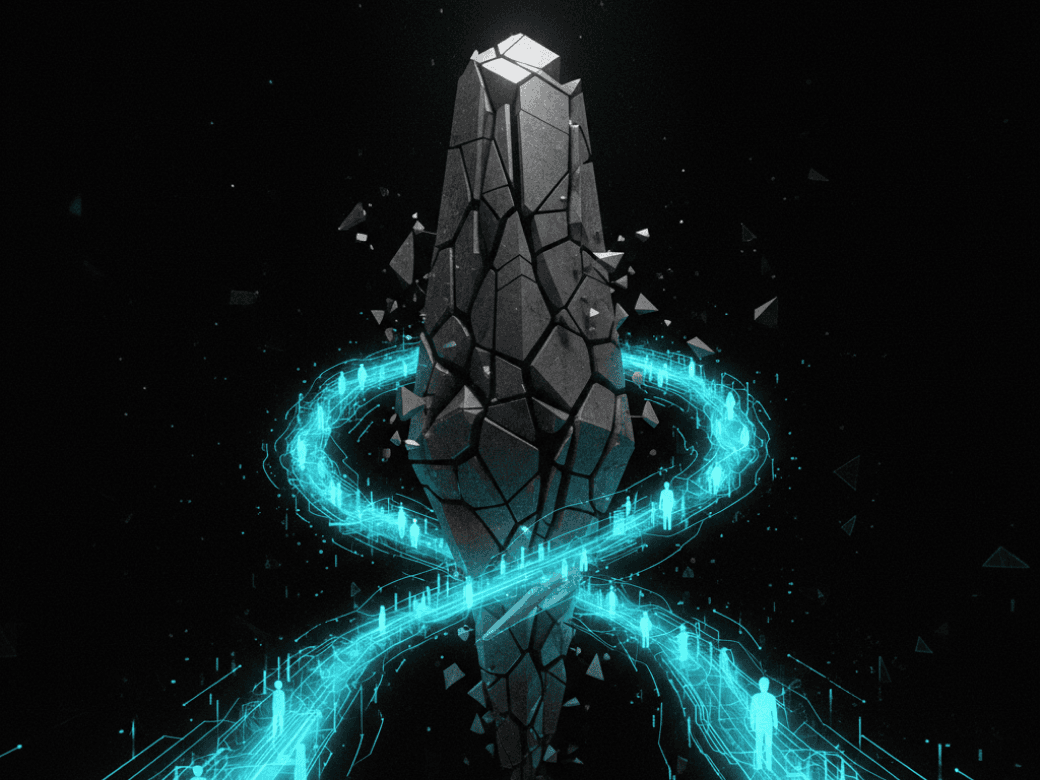
You have the technology side of your program planned and resourced, but the people side still needs attention. Running technology change management alongside technical work decides whether your organization truly changes or just gets new systems.

Technical delivery is going well, but adoption is at risk. Teams are affected, resistance is showing up, and communication hasn't reached everyone. Bringing in change management consulting now helps refocus the program's people side on real adoption data and feedback.

The system launched, but people didn't adopt it. Within months, the organization reverted to old habits. This happened because you didn't track the actual adoption. Our IT change management services focus on adoption targets resulting in better outcomes.
We deliver specialized AI consulting across high-impact sectors:
 Industrial & Manufacturing
Predictive maintenance, quality control automation, and supply chain intelligence systems.
 Engineering & High-Tech
Enhancing innovation, performance, and efficiency through AI-driven engineering and automation.

A telecommunications company was rolling out a new self-service portal to replace a large contact center. While the technical rollout was on track, a change-readiness assessment three months before launch found a big problem: the contact center teams most affected had not been involved.
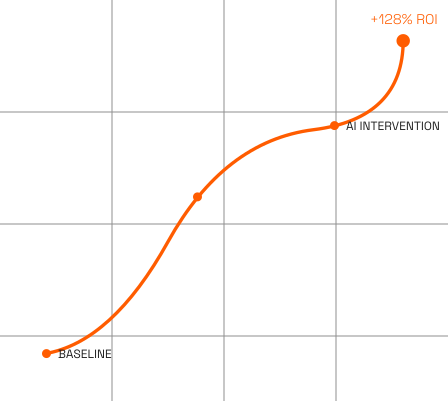
A telecommunications company was rolling out a new self-service portal to replace a large contact center. While the technical rollout was on track, a change-readiness assessment three months before launch found a big problem: the contact center teams most affected had not been involved. They barely knew how the portal would change their daily work.
What the change readiness assessment found:
We assessed their operations and mapped use cases for AI, and discovered:
WE RESPONDED
By focusing on team leaders and talking openly about job security concerns. We updated our communication plan to address the issues found in the readiness assessment, making sure our messages were relevant to the teams involved.
MEASURABLE IMPACT
Ninety-four percent of staff started using the portal within eight weeks of launch, and calls about the portal dropped by sixty-one percent. The technical rollout worked, but it was the early, targeted change management that made the difference.
We start by checking your organization's readiness, mapping the impact on every team, and designing a program that helps your technology reach your business goals.
Share Your Primary Transformation Requirements →Nexus AI's change management is all about helping teams get ready for AI, handling concerns about automation, and making sure people actually use the new tools. Nexus Labs, on the other hand, supports any technology-driven change in an organisation, with AI as just one part of the process. Some clients choose both services when their programmes involve AI and other big changes.
Start change management as early as you can, ideally alongside the technology work. Waiting to involve stakeholders can lead to confusion and pushback. If you wait until launch, you may face resistance that could have been avoided.
A change-readiness assessment gauges how prepared the organisation is for a specific technology change, taking into account stakeholder groups, team capacity, historical context, and risks. It precedes programme design, so the approach aligns with actual readiness, not a generic model.
Change impact analysis shows how the technology change will affect each role and team. It covers changes to daily work, new skills people need, processes that will be replaced, and any concerns that may arise. This information shapes all communication, training, and engagement for the programme.
Before the programme starts, we set clear goals for adoption, such as system usage, adoption of new workflows, how often people use workarounds, and team feedback. After launch, we keep tracking these numbers until we see that the change is working. If there are gaps, we create a plan to address them.
Yes, you can add change management support even after a programme has started, though it's best to start early. If you notice adoption risks during the project, change management can adjust the people side based on stakeholder feedback and adoption progress. This works better than starting late, and is much better than having no support at all.
Yes. Most IT change management projects involve working closely with your internal HR, communications, and learning teams. We bring structure and expertise, while your teams provide valuable knowledge about your organisation and its people. Our goal is to support and strengthen your internal capabilities, not replace them.

Our IT change management services treat resistance as something to understand and respond to. We do not simply repeat the original message louder.
Operational change is proven in the first 90 days after deployment. We measure adoption using workflow shifts, eliminated workarounds, and usage rates. This ensures your organization captures the full value of its investment.
Some consultancies deliver only a change strategy for clients to implement. We both design and execute the programme. This includes stakeholder sessions, training, communications, resistance management, and adoption tracking. CTOs and programme directors do not have to manage the change workstream themselves.

Every IT change management engagement includes post-change adoption tracking. We set benchmarks before the programme and measure progress after deployment. We stay involved until data confirms the change is sustained, not just until launch.
We identify stakeholders based on their influence and impact. We design tailored support for sponsors and frontline users. Each group is engaged based on their needs and level of change. This ensures maximum programme value through transformation.
Phase 04
We plan our communications based on what each group needs and when they need it. This way, everyone gets the right information at the right time, helping reduce anxiety and making every message count.

Phase 05
We create role-specific training to prepare each group for system adoption. Timing is optimized for retention and confidence. Teams transition quickly and gain value fast.

Phase 06
We address resistance as soon as it emerges. We use targeted responses and leadership escalation. Resolving obstacles quickly protects programme value and prevents delays or disruptions.
Phase 07
After launch, we track adoption using clear benchmarks, such as workflow changes and system use. We collect feedback to ensure your organization gets the full value of the change. We stay involved until the lasting value is clear.
Build scalable learning and administration platforms.
 Real Estate
We assess where AI reduces support costs, improves property management, and scales real estate operations.
 Healthcare
Clinical decision support, patient flow optimization, and medical image analysis solutions.